

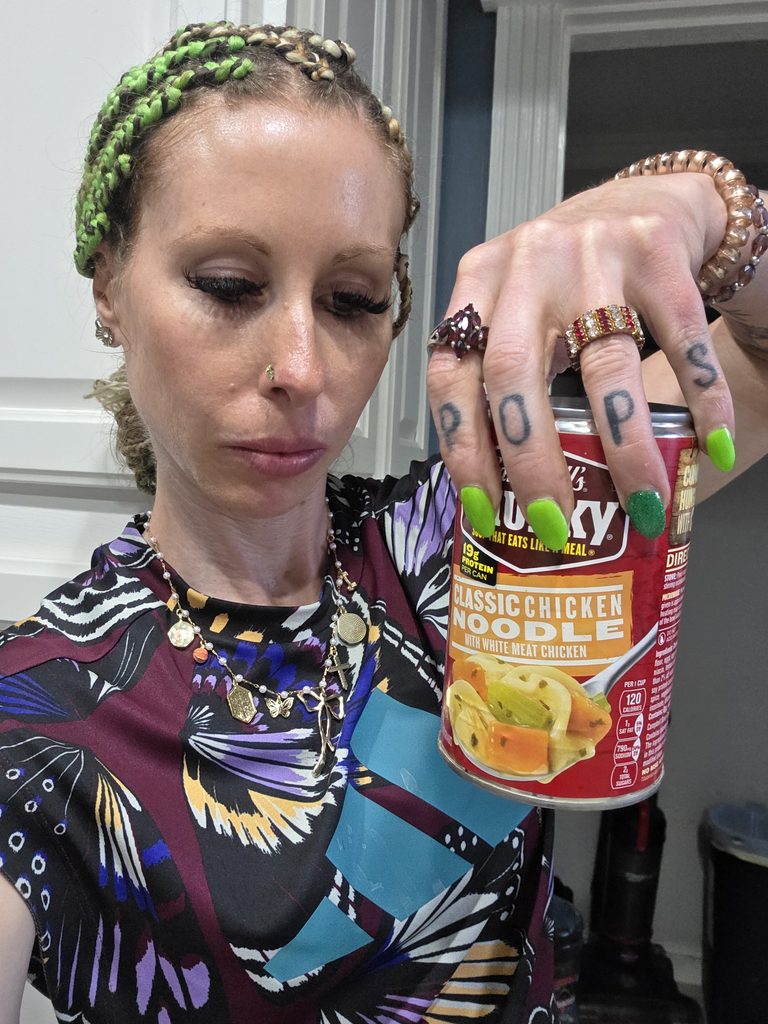
Dr. Megan Johnson McCullough – A warm bowl of soup can be a nice compliment to a meal, a meal itself, and an easy, quick, and convenient option. Warm it up and ready to go. It is also relatively cheap. However, the concept of instant might not be the most nutritionally sound selection. For example, studies have found that instant noodles remain intact in the stomach for up to two hours post consumption. That is a lot longer than homemade noodles digest. The stomach is not meant to hold food that long.
The reality is that instant and canned soups are filled with additives. One of these additives is called toxic preservative tertiary butylhydroquinone (TBHQ). Sometimes it is labeled as an antioxidant, but the reality is that it is a synthetic chemical. TBHQ is favored by soup makers because the so-called antioxidants stop the oxidation of oils and fats. Ultimately this lengthens the shelf life of a product. The truth is that you are eating a chemical that contains varnishes, lacquers, insecticides, make-up, and perfumes because TBHQ lowers the evaporation rate which again increases shelf life. Food is meant to be digested in the stomach not to have a shelf life.
People who frequently consume canned or instant soup are at a higher risk for metabolic syndrom e. These products lack iron, potassium, protein, Vitamin A, Vitamin C, and calcium. Plus, they contain higher levels of sodium, bad fats, and empty calories.
The appeal to eating soup is that it is a watery food which means it is low calorie density. In turn, this could mean it can help you lose weight. However, in this sense, one would be eating clear or broth-based soups. Soups that would need to be avoided would have cheese, creamed based, or be served and eaten in a bread bowl. However, eating just these broth, light soups, deprives the body of essential nutrients. In the end, eating a bowl of soup versus a plate of pasta and cheese is going to save calories.
Joseph A. Campell revolutionized the concept of having soup in the 1800’s when he industrialized this product. Soup has always had a healthy connotation. After all many of them have vegetables, right?? It’s the go to meal when sick. The truth is that one can of soup can have up to 1,000 milligrams of sodium. Sometimes one can might have two servings, so that’s double everything. It is disturbing to be eating food that schools and programs have canned food drives for because of the long shelf life. Sometimes soup is just the starter of meal.
The best way to consume soup is to make it yourself. For example, boil a whole chicken and add vegetables. That way you know exactly what you are eating and without the additional chemicals that are foreign to your digestive system. Natural ingredients are much appreciated by the body. Grab a spoon and enjoy your own creation. Be proud of your healthy recipe that has saved you calories and can even be frozen so it can be enjoyed multiple times (no via the shelf).