


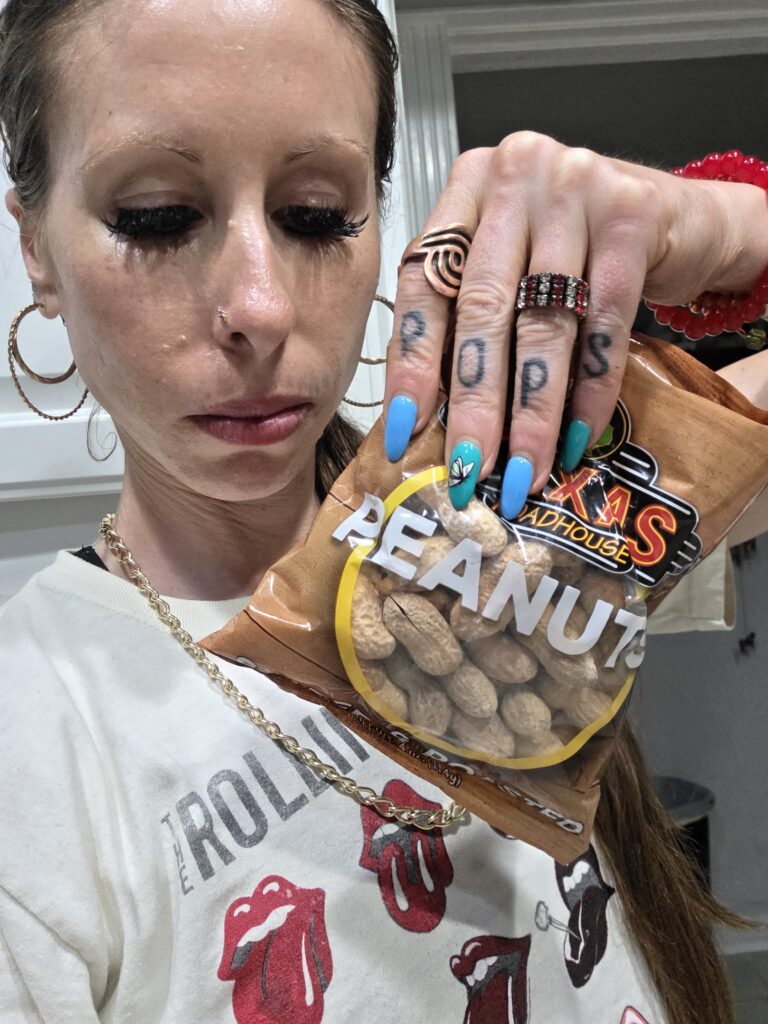
Dr. Megan Johnson McCullough -Peanuts are tasty and healthy, serving as a great source of plant-based protein, healthy monounsaturated fats, and over 30 essential vitamins and minerals. Because they have a very low glycemic index, they provide energy without spiking blood sugar. Eating peanuts regularly is linked to a reduced risk of cardiovascular disease.
Some people wonder if they should buy peanuts with or without the shell. The nut itself offers the exact same nutritional profile in or out of the shell but buying them in the shell is considered better for portion control. Cracking the shells forces you to eat slower. The leftover shells provide a visual reminder of exactly how much you have consumed.
There are so many flavors of peanuts available. Today, you can find them tossed in everything from spicy chili-lime, honey roasted, and smoky barbecue to combinations like jalapeño cheddar, dill pickle, and salt and vinegar. “Runner” peanuts are by far the most popular and widely grown. In the United States, Runner peanuts make up 80% of production because their uniform size makes them perfect for grinding into creamy peanut butter. Virginia peanuts are prized for their large size and gourmet snacking appeal. Spanish peanuts have smaller kernels with bright reddish-brown skins with a higher oil content that makes them ideal for oil production and candies.
Peanut production is led by China, which produces over 18 million metric tons annually, accounting for more than a third of the world’s total supply. India holds the second-highest production spot, followed by Nigeria and the United States, where the state of Georgia alone grows nearly half of the nation’s output.
People all over the world absolutely love eating them. In the United States, the average American eats about 7.9 pounds of peanuts per year. In fact, 94% of American households keep a jar of peanut butter in the pantry. The allergy has brought some new attention to peanuts, but they