

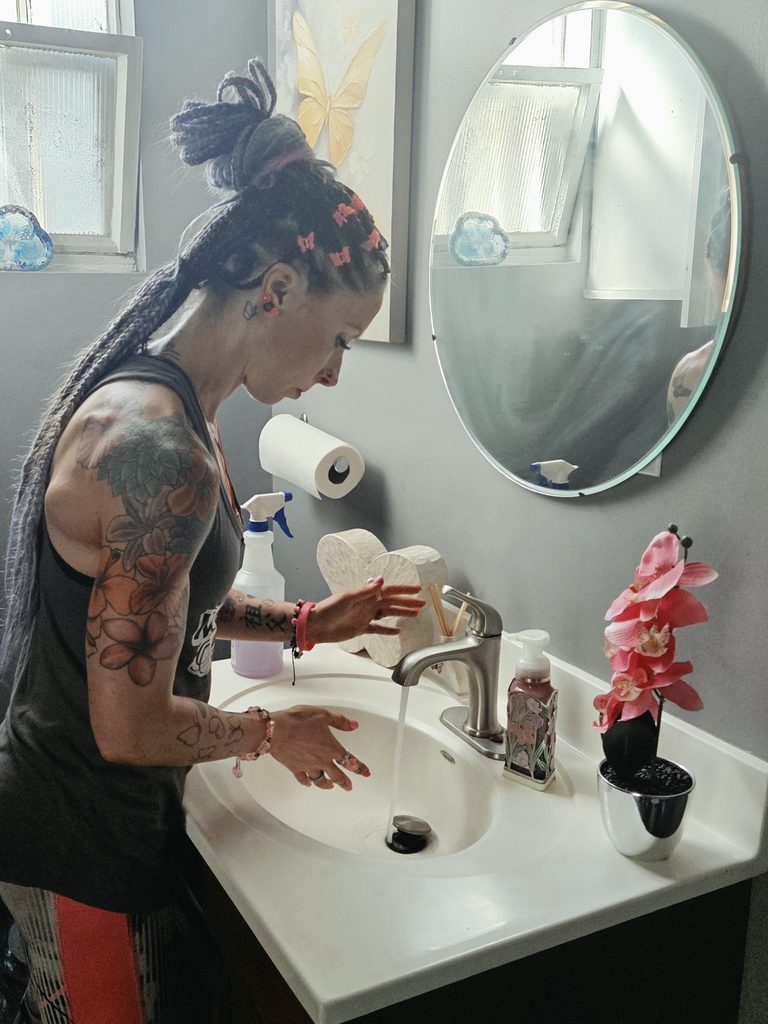
Dr. Megan Johnson McCullough – When considering whether we can drink tap water, the short answer for most systems is a yes. Public water infrastructure serves about ninety percent of the population and is heavily regulated by strict federal standards enforced by the Environmental Protection Agency. Safety is monitored through routine testing for microbial pathogens, heavy metals, and chemical compounds. The water that flows from a standard kitchen sink has undergone purification processes, which include coagulation, sedimentation, filtration, and disinfection. However, safety can vary depending on geographic location, local infrastructure, and whether the supply originates from a municipal grid or a private underground well. Public entities must publish annual Consumer Confidence Reports detailing contaminant levels and legal compliance.
Municipal water sources rely on surface reservoirs or deep aquifers that undergo advanced chemical and physical treatment. This provides consistent oversight. Private wells are entirely unregulated by the Safe Drinking Water Act. This places the burden of testing, maintenance, and filtration on the individual homeowner. Cities located near mountain snowmelt enjoy naturally soft, great-tasting water with very little chemical intervention. Areas that rely on mineral-heavy groundwater or heavily industrialized river basins require intensive chemical treatment that can leave behind issues like hard water, a chlorine smell, or a metallic aftertaste.
There are about 148,000 public water systems across the United States that together deliver billions of gallons daily to ninety percent of citizens. Americans consume billions of gallons of bottled water annually, nearly fifty gallons per year. Bottled water is the country’s top packaged beverage by volume. Studies show that consumers would gladly rely entirely on municipal tap water if they had domestic carbon or reverse-osmosis
filtration.
On the positive side, tap water is economical, costing fractions of a penny per gallon compared to single-use plastic bottles. It also eliminates the environmental footprint that comes from manufacturing, transporting, and discarding billions of plastic containers. The cons often involve factors like chlorine disinfection byproducts, mineral hardness that ruins appliances, and very real hazards such as lead contamination or chemical contaminants like PFAS. Ultimately, understanding the pros and cons allows consumers to make informed choices, combining the affordability and eco-friendliness of municipal tap water with a simple, quality home filtration pitcher/system to get the best of both water worlds.



Perfect timing on this post, needed this reminder