


Practical insight on selling ADUs in California — what AB 1033 allows, what it doesn’t, and how to prepare properties responsibly before listing
California’s first housing revolution was about increasing supply. The next will be about creating new forms of ownership.
For the better part of the last decade, California has been rewriting the rules of housing.
We’ve all watched it happen. SB 330. The Housing Accountability Act. Housing Element law. Density Bonus Law. SB 9. ADU legislation. Parking reductions. Ministerial approvals. Streamlined permitting. Each legislative session seems to introduce another law designed to make housing easier to build and harder to stop.
The objective has been clear: increase housing supply.
Every city and county has been assigned ambitious Regional Housing Needs Allocation (RHNA) targets. Communities that once planned for hundreds of homes over an eight-year planning cycle are now expected to accommodate thousands—sometimes tens of thousands—of additional housing units. Local governments have been forced to rethink zoning, density, parking, and development standards in ways that would have been difficult to imagine just a decade ago.
The results are visible across California. Apartment communities are rising along transportation corridors. Commercial sites are being redeveloped into mixed-use housing. Parking requirements have been reduced. Height limits have increased. Long-established neighborhoods are changing before our eyes.
Much of the public debate has centered on these large-scale developments. Residents understandably express concerns about traffic, infrastructure, schools, and neighborhood character. Individual traffic studies may conclude that each project has an acceptable impact, yet few people are examining the cumulative effect of multiple developments occurring simultaneously within the same community.
Whether one agrees with the policies or not, one thing is undeniable:
California intends to build.
But while much of the attention has focused on developers, another housing revolution has quietly been unfolding—one that isn’t being financed by institutional investors or publicly traded development companies. It’s being built by homeowners.
Thousands of Californians have invested their own savings to build Accessory Dwelling Units. Some were built for aging parents. Others for adult children returning home. Many provide rental income that allows homeowners to remain in neighborhoods they otherwise couldn’t afford. Some were built simply because families recognized the long-term value of creating another home on their property.
Unlike large apartment developments, these aren’t corporate investments. They’re personal ones. Collectively, they represent one of California’s most significant sources of organically created housing.
Eventually, those homeowners will begin asking a very different question.
Not, “Can I build an ADU?”
But rather, “Can I sell it?” I believe that’s where California’s next housing conversation begins. For years, our laws have focused on making it easier to create housing. The next evolution will be creating more flexible ways to own it.
That’s why I believe AB 1033 is one of the most consequential housing laws California has adopted—not because it creates more ADUs, but because it introduces the possibility of an entirely new ownership model. If adopted by a city or county, AB 1033 allows ADUs to be sold independently from the primary residence, provided specific legal and local requirements are satisfied. Think about what that means.
Not every homeowner wants to become a landlord. Not every family wants to sell an entire property simply to access the value they’ve created. Independent ADU ownership has the potential to provide new pathways to homeownership, unlock equity for existing homeowners, and create housing opportunities in established neighborhoods where traditional single-family homes may be financially out of reach.
That’s a profound shift
It also creates something California Realtors® have never really had before:
An entirely new category of residential inventory. Not a condominium in the traditional sense. Not a detached single-family residence. Not a duplex. Something different. Yet I rarely hear Realtors talking about it.
That’s understandable. Most licensing courses and continuing education programs don’t cover condominium mapping, shared utility agreements, CC&Rs, title considerations, lender requirements, local planning ordinances, or the permitting issues that must be resolved before an ADU can ever be sold independently. But they will. Because the moment a client asks, “Can I sell my ADU?”, the Realtor who understands those issues won’t simply have an answer—they’ll have an advantage.
Every significant shift in real estate has created specialists. Luxury homes. 1031 exchanges. Short sales. Distressed properties. Historic homes. This will be no different. The Realtors who understand ADU sales won’t simply become more knowledgeable—they’ll become trusted advisors in a market that is only beginning to emerge.
As both a California Real Estate Broker® and someone who has spent decades working in planning, land use, and ADU development, I’ve watched these worlds gradually converge. What was once a planning issue has become a real estate issue. What was once a construction question has become an ownership question.
That’s why I created the ADU Sales Readiness Certificate™. Not because there’s demand for another designation. Because there’s a need for an entirely new body of knowledge. This isn’t a course about housing legislation. It’s about understanding how planning, permitting, title, financing, condominium creation, local ordinances, and real estate practice intersect to create opportunities for homeowners and buyers alike.
I don’t believe ADU sales are a niche. I believe they’re the beginning of the next chapter in California real estate. The first decade of California housing policy was about increasing supply. The next decade will be about creating new forms of ownership.
When that shift happens—and I believe it already has begun—the question won’t be whether ADU sales become part of our industry.
The question will be who was prepared before everyone else realized the opportunity was here.
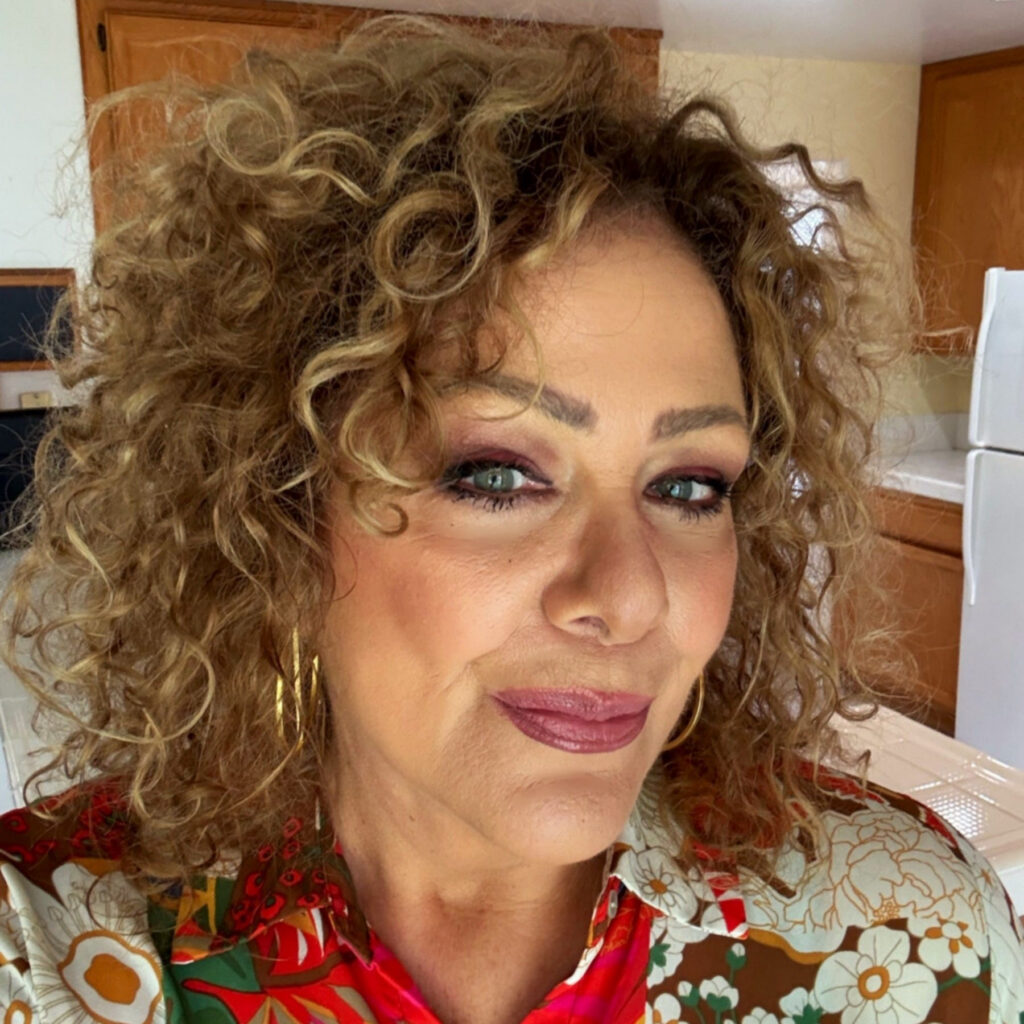
Lisa De Jesus, Broker®
California Real Estate Broker® | President & CXO, ADU Gurus LLC™ | Broker/Owner, Henry Wright Realty, Inc. | Founder, ADURealEstate.net
I help Californians understand, build, value, and now prepare ADUs for independent sale. Learn more about the ADU Sales Readiness Certificate™ at: